Delving into Mindfulness and religion, this introduction immerses readers in a unique and compelling narrative, with casual formal language style that is both engaging and thought-provoking from the very first sentence.
The discussion will encompass the definition of mindfulness in religious contexts, its impact on spiritual experiences, and the benefits it offers to individuals across different faith traditions.
Mindfulness and Religion
Mindfulness is the practice of being fully present and aware of one’s thoughts, feelings, sensations, and surroundings without judgment. In religious contexts, mindfulness plays a significant role in deepening one’s spiritual connection and enhancing the overall religious experience. By being mindful, individuals can cultivate a sense of inner peace, compassion, and gratitude, which are essential aspects of many religious traditions.
Significance of Mindfulness in Religious Practices
- Mindfulness helps individuals focus on the present moment, allowing them to engage more fully in religious rituals and prayers.
- By practicing mindfulness, individuals can develop a deeper understanding of the teachings and principles of their faith, leading to personal growth and spiritual development.
- Through mindfulness, individuals can cultivate a sense of interconnectedness with others and the divine, fostering a sense of unity and compassion within religious communities.
Enhancing Spiritual Experiences with Mindfulness
- Mindfulness can enhance spiritual experiences by helping individuals quiet their minds and open their hearts to the presence of the divine.
- By being fully present in the moment, individuals can experience a deeper sense of reverence and awe during religious ceremonies and rituals.
- Practicing mindfulness can lead to a greater sense of gratitude and appreciation for the blessings and teachings of one’s faith, enriching the spiritual journey.
Role of Mindfulness in Fostering Connection with Faith
- Mindfulness allows individuals to connect with the core beliefs and values of their faith on a profound level, strengthening their relationship with their spiritual traditions.
- By being mindful, individuals can overcome distractions and obstacles that may hinder their spiritual growth, leading to a more authentic and meaningful connection with their faith.
- Through mindfulness practices such as meditation and reflection, individuals can deepen their spiritual experiences and develop a more profound sense of purpose and fulfillment within their religious traditions.
Mindfulness Practices in Different Religions
In various religions around the world, mindfulness practices play a significant role in fostering spiritual growth and connection. Let’s explore how mindfulness is integrated into different religious traditions and ceremonies.
Buddhism
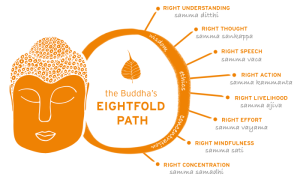
- In Buddhism, mindfulness is a core component of meditation practices such as Vipassana (insight) and Samatha (calm-abiding).
- Practitioners are encouraged to be fully present in the moment, observe their thoughts and emotions without attachment, and cultivate compassion for all beings.
- Mindfulness is often practiced through breath awareness, body scans, and loving-kindness meditation.
Christianity
- In Christianity, mindfulness is often integrated into contemplative prayer practices such as Lectio Divina (divine reading) and Centering Prayer.
- Believers are invited to quiet the mind, open their hearts to God, and listen for His presence in silence.
- Mindfulness in Christianity emphasizes the importance of being still, surrendering to God’s will, and deepening one’s relationship with Christ.
Islam
- In Islam, mindfulness is practiced through Dhikr, the remembrance of God through prayer, recitation of Quranic verses, and reflection on His attributes.
- Believers are encouraged to be mindful of their actions, intentions, and speech in alignment with the teachings of the Prophet Muhammad.
- Mindfulness in Islam aims to cultivate Taqwa (God-consciousness) and enhance spiritual awareness in everyday life.
Hinduism
- In Hinduism, mindfulness is integrated into practices such as Yoga, Japa (mantra repetition), and Bhakti (devotional) rituals.
- Practitioners focus on stilling the mind, expanding consciousness, and connecting with the divine presence within and around them.
- Mindfulness in Hinduism emphasizes self-realization, oneness with the universe, and the pursuit of spiritual liberation (Moksha).
Other Religions
- In Sikhism, mindfulness is practiced through Simran (remembrance of God) and Seva (selfless service) to cultivate humility and compassion.
- In Taoism, mindfulness is integrated into practices such as Qi Gong, Tai Chi, and meditation to harmonize the body, mind, and spirit.
- In Judaism, mindfulness is found in practices like Hitbodedut (personal prayer) and Mussar (ethical teachings) to deepen one’s connection with God and live a life of purpose.
Benefits of Mindfulness in Religion
Mindfulness can bring a plethora of benefits when incorporated into religious activities. It not only enhances the spiritual experience but also has profound psychological and emotional effects on individuals who practice it within a religious context.
Enhanced Psychological Well-being
- Mindfulness helps individuals stay present in the moment, reducing stress and anxiety levels.
- It fosters self-awareness and self-compassion, leading to improved mental health.
- Practicing mindfulness in religious rituals can aid in managing negative emotions and promoting a positive mindset.
Promotion of Inner Peace and Overall Well-being
- By focusing on the present moment, mindfulness can cultivate a sense of inner peace and tranquility.
- It encourages individuals to let go of past regrets and future worries, fostering a state of contentment.
- Through mindfulness practices, religious followers can develop a deeper connection to their faith and a sense of purpose in life.
Personal Anecdotes of Positive Impact
“I found that incorporating mindfulness into my daily prayers helped me feel more connected to my spirituality and brought a sense of calmness to my hectic life.”
“Mindfulness meditation during religious ceremonies allowed me to appreciate the beauty of the rituals and brought a profound sense of gratitude.”
“Practicing mindfulness in my religious community helped me build stronger bonds with fellow believers and enhanced my overall sense of well-being.”
Religion and Spirituality
Religion and spirituality are often used interchangeably, but they have distinct characteristics. Religion typically involves organized beliefs, rituals, and practices within a specific institutional framework, while spirituality is more personal and focuses on individual experiences and connections with the divine or higher power.
Differences Between Religion and Spirituality
- Religion is often associated with formalized structures and institutions, while spirituality is more about personal exploration and connection.
- Religion usually follows established doctrines and practices, while spirituality allows for more flexibility and individual interpretation.
- Religion may involve group worship and adherence to rules, while spirituality can be a solitary practice that focuses on inner growth and reflection.
Role of Mindfulness in Bridging the Gap
- Mindfulness practices can serve as a bridge between religious traditions and individual spiritual experiences by promoting self-awareness, compassion, and connection to something greater than oneself.
- By cultivating mindfulness, individuals can deepen their spiritual practices within their religious framework or explore their spirituality outside of traditional religious boundaries.
Spirituality in Enhancing Connection with a Higher Power
- Spirituality plays a crucial role in enhancing one’s connection with a higher power or divine entity by fostering a sense of transcendence, awe, and humility.
- Practicing mindfulness can help individuals cultivate a deeper spiritual connection by quieting the mind, opening the heart, and being present in the moment to experience the divine presence.
In conclusion, the exploration of Mindfulness and religion sheds light on the profound connection between mindfulness practices and religious beliefs, emphasizing the transformative power it holds for individuals seeking spiritual growth and inner peace.
Commonly Asked Questions
What is the significance of mindfulness in religious practices?
Mindfulness plays a crucial role in deepening one’s connection with their faith and enhancing spiritual experiences.
How does mindfulness benefit individuals within a religious context?
Incorporating mindfulness into religious activities can promote inner peace, emotional well-being, and overall spiritual growth.
Can mindfulness techniques vary across different religious traditions?
Yes, mindfulness practices may differ or overlap in how they are integrated into rituals and ceremonies across Buddhism, Christianity, Islam, Hinduism, and other major religions.