Embark on a journey through Eastern spirituality, delving into its core beliefs, key practices, and the significance of meditation and karma. Discover the rich tapestry of ancient wisdom that continues to inspire and guide seekers today.
From defining Eastern spirituality to exploring its various aspects, this exploration promises a deep dive into a world of profound meanings and transformative practices.
Eastern Spirituality
Eastern spirituality encompasses a wide range of spiritual beliefs and practices originating from various Eastern cultures, including Hinduism, Buddhism, Taoism, and Sikhism. At its core, Eastern spirituality emphasizes the interconnectedness of all beings, the pursuit of inner peace, and the quest for spiritual enlightenment.
Key Practices in Eastern Spirituality
- Meditation: A fundamental practice in Eastern spirituality, meditation is used to quiet the mind, cultivate mindfulness, and connect with one’s inner self.
- Yoga: Combining physical postures, breath control, and meditation, yoga is a holistic practice that aims to harmonize the body, mind, and spirit.
- Mantra Chanting: Repetition of sacred sounds or phrases, known as mantras, is believed to have a transformative effect on the practitioner’s consciousness.
Significance of Meditation in Eastern Spiritual Traditions
Meditation plays a crucial role in Eastern spiritual traditions as a means of quieting the mind, gaining self-awareness, and connecting with the divine. Through regular meditation practice, individuals can cultivate inner peace, reduce stress, and enhance their spiritual growth. Different forms of meditation, such as mindfulness meditation, loving-kindness meditation, and transcendental meditation, are employed in Eastern spirituality to achieve various spiritual goals.
Concept of Karma and Reincarnation in Eastern Spirituality
- Karma: In Eastern spirituality, karma refers to the law of cause and effect, where one’s actions, intentions, and thoughts determine their future experiences and outcomes. Positive actions lead to positive consequences, while negative actions result in negative consequences. The concept of karma emphasizes personal responsibility and the interconnectedness of all beings.
- Reincarnation: Central to many Eastern spiritual traditions, reincarnation is the belief that the soul undergoes a series of births and deaths in different physical bodies. The cycle of reincarnation is guided by karma, and the ultimate goal is to break free from this cycle through spiritual enlightenment and liberation.
Eastern Philosophies
Eastern philosophies such as Hinduism, Buddhism, Taoism, and Confucianism have rich traditions that offer unique perspectives on life, morality, and the universe.
Comparison of Eastern Philosophies
- Hinduism: Belief in multiple gods, reincarnation, karma, and the caste system.
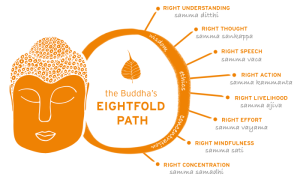
- Buddhism: Focus on achieving enlightenment through the Four Noble Truths and the Eightfold Path.
- Taoism: Emphasis on living in harmony with the Tao, the natural flow of the universe.
- Confucianism: Stresses the importance of ethics, morality, family, and social harmony.
Role of Mindfulness in Eastern Philosophies
Mindfulness plays a crucial role in Eastern philosophies by cultivating awareness of the present moment, reducing suffering, and promoting inner peace and clarity.
Concept of Dharma in Hinduism and Buddhism
- Hinduism: Dharma refers to one’s duty, moral obligations, and righteousness based on caste and stage of life.
- Buddhism: Dharma signifies the teachings of the Buddha, the path to enlightenment, and the natural order of the universe.
Influence of Eastern Philosophies on Western Thought
Eastern philosophies have significantly impacted Western thought by introducing new perspectives on spirituality, meditation practices, and ethical principles. Concepts such as mindfulness, karma, and interconnectedness have found resonance in Western philosophy and psychology, shaping modern approaches to well-being and personal growth.
Spiritual Practices
Eastern spirituality encompasses a wide array of spiritual practices that aim to cultivate inner peace, harmony, and spiritual growth. These practices often involve rituals, ceremonies, yoga, mantras, chanting, and pilgrimage, among others.
Rituals and Ceremonies
In Eastern spirituality, rituals and ceremonies play a significant role in honoring deities, ancestors, or spiritual traditions. These practices often involve offerings, prayers, meditation, and symbolic gestures to connect with the divine and seek blessings.
- One example of a ritual in Eastern spirituality is the daily puja (worship) performed by Hindus, which involves offering flowers, incense, and food to deities in a sacred space.
- Ceremonies like the Japanese tea ceremony or the Tibetan butter lamp offering are also common practices that symbolize mindfulness, gratitude, and spiritual devotion.
Importance of Yoga
Yoga is a central practice in Eastern spirituality, serving as a means to unite the body, mind, and spirit. Through physical postures (asanas), breath control (pranayama), and meditation, yoga helps individuals attain self-awareness, inner balance, and spiritual enlightenment.
- Various forms of yoga, such as Hatha, Vinyasa, and Kundalini, are practiced to promote physical health, mental clarity, and spiritual transformation.
- The integration of yoga into daily life enables individuals to cultivate mindfulness, reduce stress, and deepen their spiritual connection.
Use of Mantras and Chanting
Mantras and chanting are prevalent practices in Eastern spiritual traditions, believed to have the power to purify the mind, uplift the spirit, and invoke divine energy. Repetition of sacred sounds or phrases creates a meditative focus and aligns individuals with the vibrational energy of the universe.
- Mantras like “Om” or “Om Namah Shivaya” are commonly chanted in Hinduism, Buddhism, and other Eastern traditions to enhance concentration, invoke blessings, and attune to higher consciousness.
- Chanting of hymns, prayers, or sutras in Sanskrit, Tibetan, or other sacred languages is a form of devotional practice that deepens spiritual devotion and fosters inner peace.
Significance of Pilgrimage
Pilgrimage holds a special place in Eastern spirituality, as it involves visiting sacred sites, temples, or natural landmarks to seek spiritual insights, blessings, or purification. The journey itself is considered a transformative experience that deepens one’s spiritual connection and fosters personal growth.
- Popular pilgrimage destinations in Eastern spirituality include Varanasi in India, Mount Kailash in Tibet, Mecca in Saudi Arabia, and the Shikoku Pilgrimage in Japan, each offering unique opportunities for introspection, prayer, and spiritual renewal.
- Pilgrims undertake these journeys with reverence, humility, and a sense of surrender, believing that the sacred energy of the place and the act of pilgrimage itself can bring about spiritual healing, enlightenment, and blessings.
Religion and Spirituality
Religion and spirituality are often used interchangeably, but they have distinct meanings. Religion typically refers to organized systems of beliefs, practices, and rituals centered around a higher power or deity. On the other hand, spirituality is a more personal and individualistic journey of seeking meaning, purpose, and connection to something greater than oneself.
Incorporation of Religious and Spiritual Elements in Eastern Spirituality
Eastern spirituality incorporates both religious and spiritual elements seamlessly. In Eastern traditions such as Hinduism, Buddhism, and Taoism, there is a strong emphasis on spiritual practices like meditation, mindfulness, and self-realization. These practices are often intertwined with religious rituals, ceremonies, and beliefs in karma, reincarnation, and interconnectedness of all beings.
- Eastern spirituality encourages individuals to explore their inner selves through meditation and self-reflection, leading to a deeper understanding of their true nature and the universe.
- Religious ceremonies and rituals in Eastern traditions act as a means to connect with the divine and cultivate a sense of reverence and gratitude towards the cosmic forces at play.
- The coexistence of religious and spiritual elements in Eastern spirituality offers a holistic approach to personal growth and transformation, addressing both the inner spiritual journey and outer religious practices.
Connection between Personal Growth and Spirituality in Eastern Traditions
Personal growth is intricately linked to spirituality in Eastern traditions. The emphasis on self-awareness, compassion, and mindfulness cultivates qualities like humility, empathy, and resilience in individuals. Through spiritual practices and teachings, individuals are encouraged to transcend ego-driven desires and attachments, leading to a more profound sense of inner peace and fulfillment.
- Eastern spirituality promotes the idea of self-realization and liberation from the cycle of suffering through practices like yoga, meditation, and ethical living.
- Personal growth in Eastern traditions involves not only individual transformation but also a shift towards interconnectedness and harmony with all living beings and the natural world.
- By nurturing personal growth through spiritual practices, individuals in Eastern traditions strive to achieve a state of balance, contentment, and enlightenment in their lives.
Impact of Eastern Spirituality on Individual Well-Being
Eastern spirituality has a profound impact on individual well-being, encompassing physical, mental, emotional, and spiritual aspects of health. The holistic approach of Eastern traditions towards well-being emphasizes the interconnectedness of mind, body, and spirit, leading to a balanced and harmonious lifestyle.
- Practices like meditation and mindfulness in Eastern spirituality have been scientifically proven to reduce stress, anxiety, and improve overall mental health and emotional well-being.
- The ethical principles and values espoused by Eastern traditions promote compassion, kindness, and altruism, contributing to healthier relationships and social connections.
- By fostering a sense of purpose, meaning, and interconnectedness, Eastern spirituality supports individuals in finding inner peace, resilience, and a deeper sense of fulfillment in their lives.
In conclusion, Eastern spirituality offers a profound path towards self-discovery and inner peace, weaving together ancient traditions and modern insights. Embrace the wisdom of the East and unlock the secrets to a more fulfilling spiritual journey.
Clarifying Questions
What is the concept of dharma in Eastern spirituality?
Dharma, in Hinduism and Buddhism, refers to the moral and ethical duties that individuals must uphold based on their roles in society and the universe.
How does Eastern spirituality impact individual well-being?
Eastern spirituality promotes holistic well-being by integrating practices like meditation, yoga, and mindfulness to cultivate inner peace and balance.
Is there a connection between personal growth and spirituality in Eastern traditions?
Yes, Eastern traditions emphasize personal growth as an integral part of spiritual development, encouraging individuals to evolve on both inner and outer levels.